 Tweet
Tweet
Do you have a new piece or one you would like to show? Let’s see what you have.
-
Joe Lawrence -
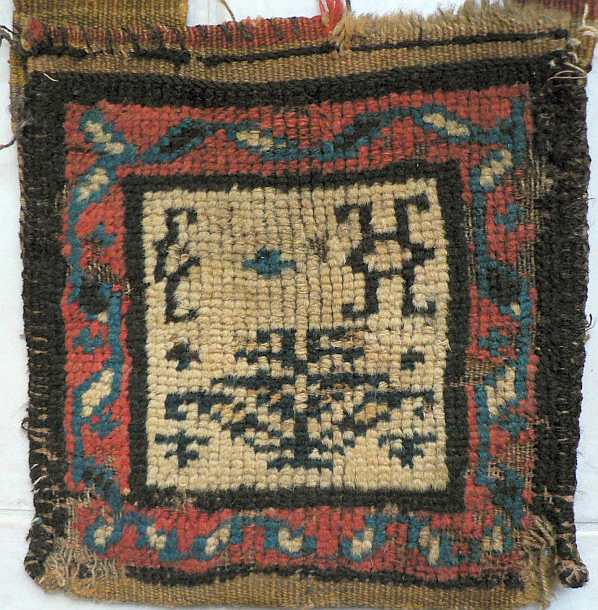
OK, Joe - here's something. It's a Taimani Chanteh, measuring about 11" by 15", knotted asymmetrically, which I acquired from Michael Craycraft many years ago. He was convinced that it was a shaman's bag, the evidence for this being the deliberately manipulated Memling gul and the 'tiger skin' border. Has anyone come across any other Baluch bags or weavings that may have had shamanic use?
All the best, John
-
Wow! What a unique and beautiful piece! I’ve never seen anything like it.Joe LawrenceComment
-
Thank you for the kind comment, Joe.
All the best, JohnComment
-
Hi John,
I agree that this one has a lot of charm; very far from the rigid and orthogonal products targeting the commercial market.
I don't think it is possible to -know- that any piece was intended for shamanic purposes. I do think there are equally likely alternative design sources that would be less popular amongst rug dealers:
- Every weaver starts by going through a period where they get their learners permit...
- Some weavers have no patterns or examples to work from, and work from memories of something they saw
Regards
ChuckComment
-
Here is something that although reminds me of a Shaman piece, I have no idea what it is nor have no clue if the pieces go together. The knife is made of bone and the bag is about 9 inches tall.
Joe LawrenceComment
-
Hello Chuck -
I imagine you're probably right. Michael Craycraft, however, was very knowledgeable about Baluch weavings, as I'm sure you know, so I took his opinion as having some weight when it came to this bag. It's not a subjrct that I know much about, which is why I was wondering if anybody had come across other examples. Joe's very interesting piece comes close. (Thanks, Joe!) in Himalayan art and craft it is not too difficult to find shamanic work, but it seems to be rare to come across examples in the Middle Eastern textile world.
JohnComment
-
That's an intriguing piece, Joe! Thanks for sharing it. You may be right about ' dealers' lore', Chuck, but Michael, as you probably know, was very familiar with Baluch weavings, so I was inclined to believe his story. It isn't difficult to find shamanic material in the Himalayan regions, but it seems to be rare in the rug world further West.
All the best, JohnComment
-
John
The only branch of Islam with a meaningful element of shamanism is the Sufi sect. The vast majority of the Baluch are Sunni. So while it's possible, it's unlikely, at best.
Regards
ChuckComment
-
Good point, Chuck! Thanks, JohnComment
-
I've been doing a little research online, and it appears that there are pronounced strains of shamanism in Afghanistan, including an 'Islamised' form, so the plot thickens. Not sure how this relates to Baluch weaving, though!
Best wishes,
JohnComment
-
Sorry to post again, but perhaps some people would be interested in reading this, the late Michael Craycraft's original description of the bag.
All the best, John
Attached FilesComment
-
-
We need more involvement here. Post away!Joe LawrenceComment
-
With all due respect to the late Michael Craycraft, that description borders on being nonsensical. As he points out, the drawing, iconography and weaving are crude and careless. Most of us would conclude that it was done by an inexperienced weaver, probably a child. Instead, he attributes it to having been woven by a man (seriously?) and it says it makes him see shamanism. I'm accustomed to seeing and hearing such things from certain rug dealers. They are clear examples of marketplace mythology.
Sorry, that's how it looks to me.
Steve PriceComment
-
Hi all,
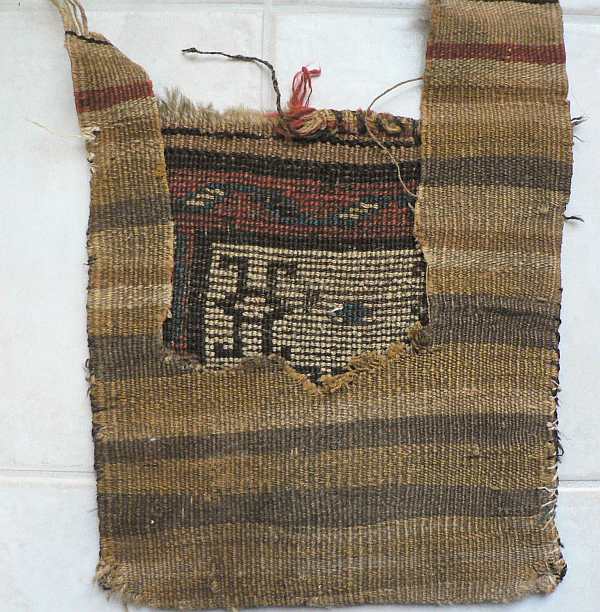
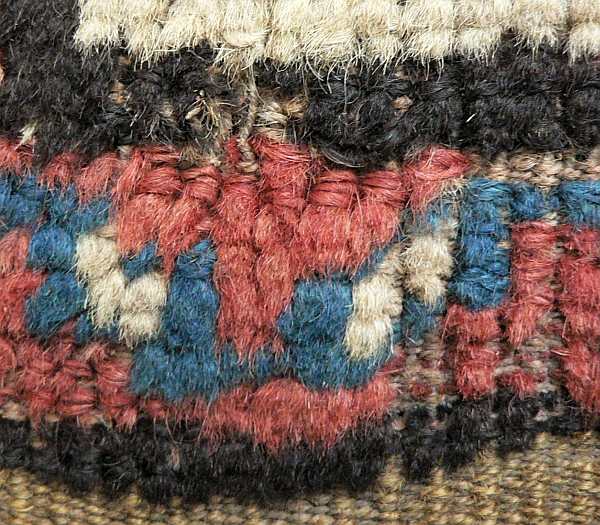
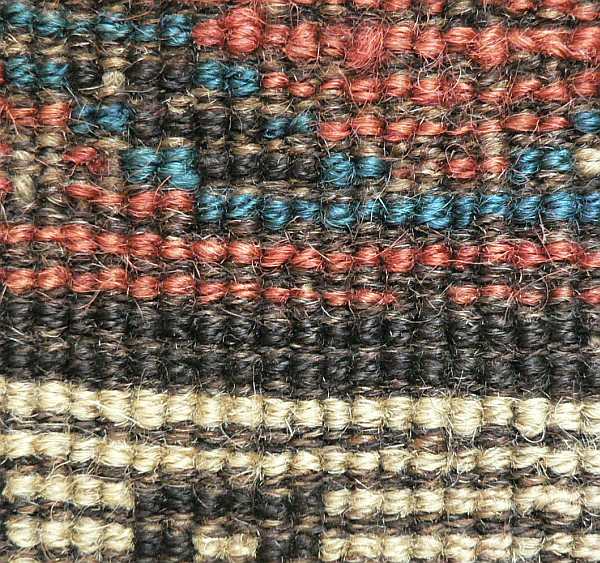
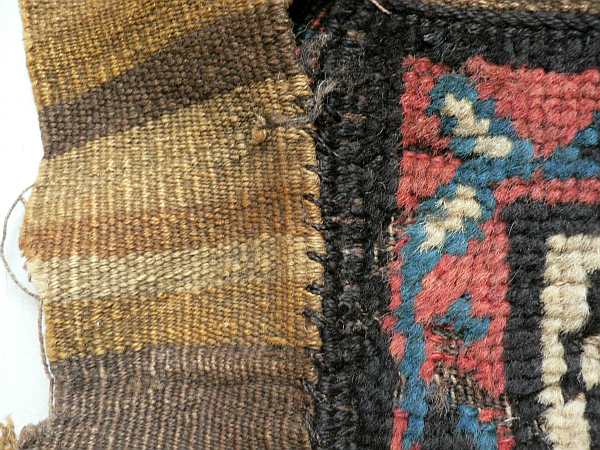
Here's a chanteh we have, I think Kurdish, that is a good example of a similar weaving skill set still under development, rather than mystical iconography.
Regards
Chuck
Comment

Comment